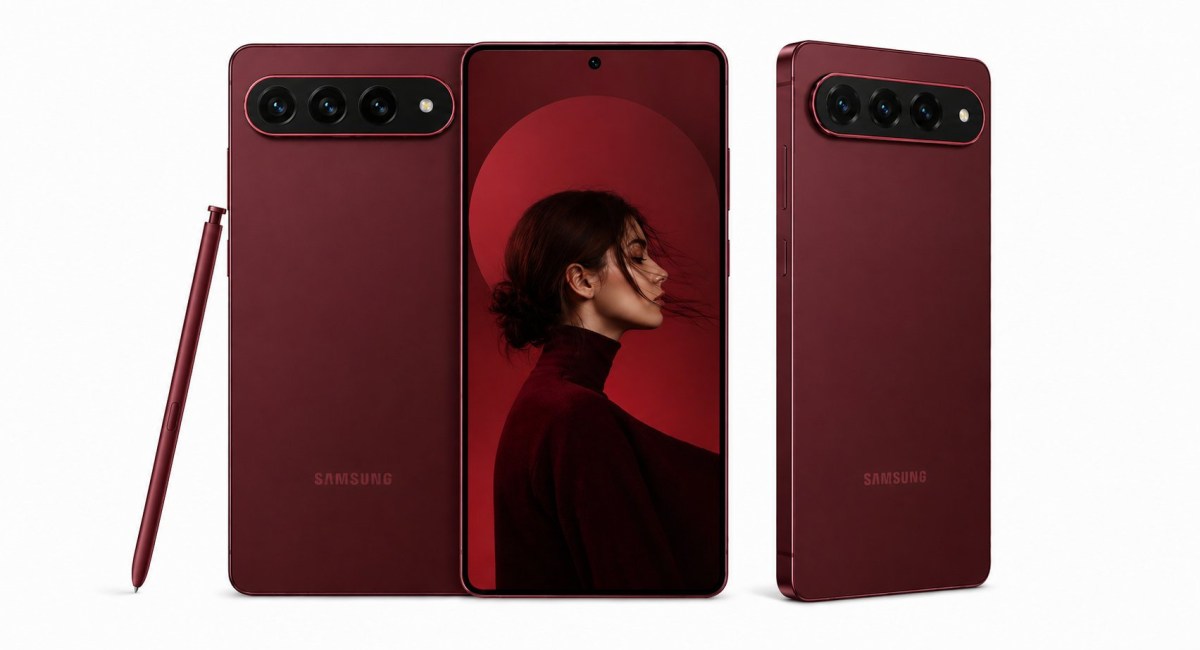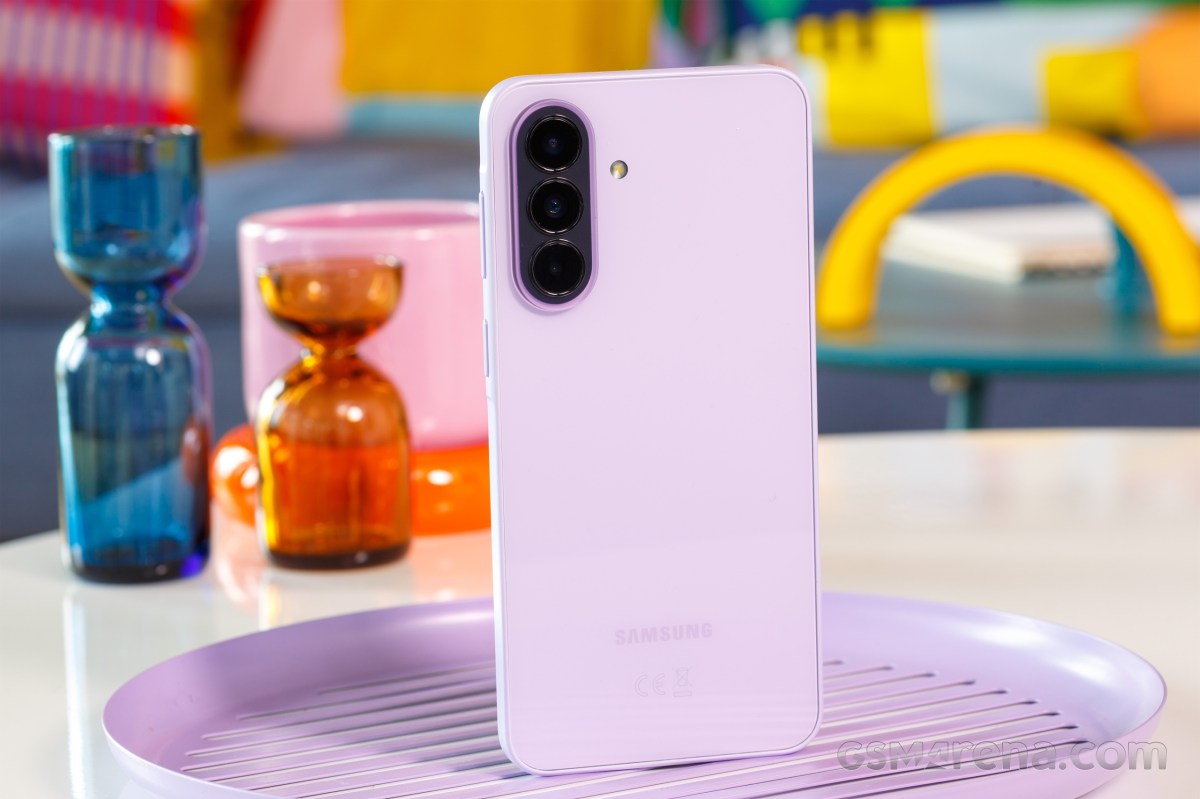
Samsung continues to push the boundaries of mobile technology with its Galaxy Z Fold 8 series, introducing a new “Wide” variant alongside the standard model. This strategic move highlights the company’s commitment to innovation, offering users a choice between two distinct designs. By experimenting with form factors, Samsung aims to cater to diverse user preferences and redefine the foldable smartphone experience. Could this dual approach signal a new era in foldable device design?
Key Design Differences: Wide vs. Tall
The Galaxy Z Fold 8 Wide and the standard Z Fold 8 diverge significantly in their design philosophies, each tailored to different user needs. These differences are most evident in their dimensions and usability.
Galaxy Z Fold 8 Wide: This model adopts a broader and shorter profile, measuring 161.4 mm wide and 123.9 mm tall when unfolded. Its 5.44-inch cover display offers a tablet-like aspect ratio, making it particularly well-suited for multitasking, reading and media consumption. The wider design enhances productivity by providing a larger workspace, but its increased thickness may pose challenges for portability.
Standard Z Fold 8: The standard model retains a taller and narrower design, standing at 158.4 mm tall and 143.2 mm wide when unfolded. With a 6.5-inch cover screen, it is optimized for one-handed use, offering a more traditional smartphone experience. This design is ideal for users who prioritize compactness and ease of handling in their daily activities.
While the Wide model emphasizes productivity and immersive media experiences, the standard version appeals to those seeking a more familiar and portable design. The choice ultimately depends on individual preferences and usage scenarios.